Root canals have an undeserved reputation for being painful and frightening. The truth is that modern root canal therapy is no more uncomfortable than getting a routine filling. As a dentist in Woodbridge, I've helped countless patients save their natural teeth through this highly effective procedure. At Napa Dental, we use advanced techniques and technology to ensure your root canal experience is comfortable, efficient, and stress-free.
Understanding what root canal therapy actually involves helps eliminate fear and anxiety. Let's explore the procedure, what to expect during recovery, and why saving your natural tooth is always worth it.
What Is Root Canal Therapy?
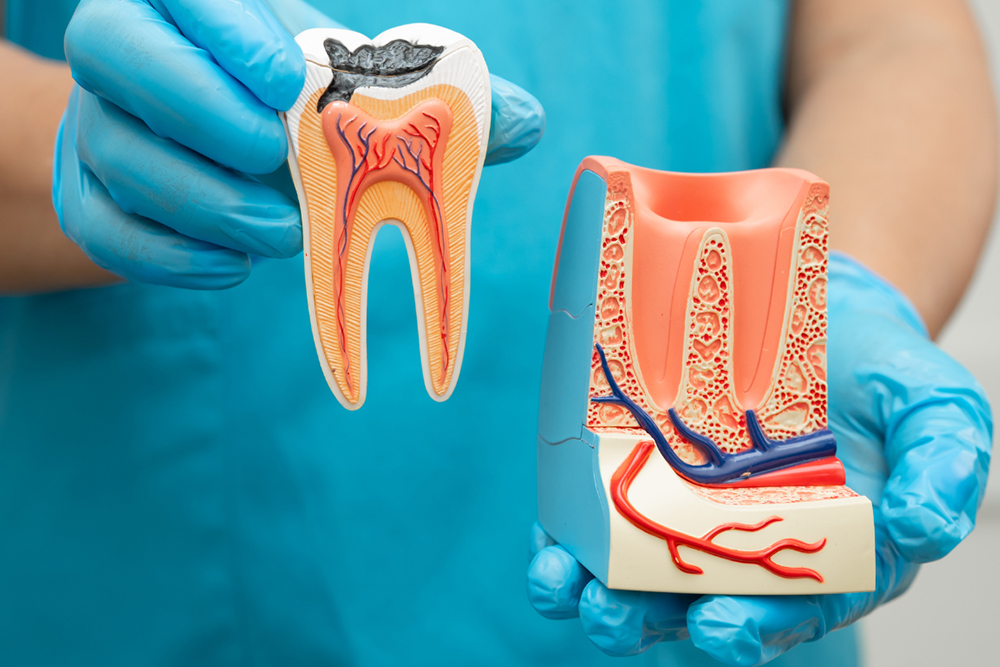
Root canal therapy is an endodontic procedure that treats infection or damage inside a tooth. Each tooth contains a soft inner tissue called pulp. This pulp houses nerves, blood vessels, and connective tissue. When pulp becomes infected or inflamed, it causes significant pain and can lead to serious complications if left untreated.
Common causes of pulp damage include:
Your dentist in Woodbridge removes the damaged pulp, cleans the canals thoroughly, and seals the tooth to prevent reinfection. The result is a pain-free, fully functional tooth that can last a lifetime with proper care.
Recognizing the signs of pulp damage helps you seek treatment promptly. Early intervention leads to better outcomes and simpler treatment.
Common symptoms requiring attention:
Not all cases present obvious symptoms. Regular checkups with your dentist in Woodbridge allow early detection of pulp issues before they become painful emergencies. At Napa Dental, we use digital X-rays to identify problems that aren't yet causing discomfort.
Modern root canal therapy is a straightforward procedure that typically takes one to two appointments. Your dentist in Woodbridge ensures complete comfort throughout every step.
Step 1: Examination and diagnosis
A thorough examination includes digital X-rays to assess the extent of infection and the shape of your root canals. This information guides precise treatment planning. We discuss your symptoms, review your dental history, and answer all your questions before proceeding.
Step 2: Anesthesia and comfort preparation
Local anesthesia is administered to completely numb the tooth and surrounding area. Most patients are surprised to feel absolutely nothing during the procedure. At Napa Dental, we take extra care with anesthesia to ensure you're fully comfortable before we begin.
Dental anxiety is completely understandable. We offer a calm, supportive environment and take time to address your concerns. Sedation options are available for patients who need additional relaxation.
Step 3: Accessing the pulp chamber
A small rubber dam is placed around the tooth to keep it dry and clean during treatment. Your dentist in Woodbridge creates a small opening in the top of the tooth to access the pulp chamber. This opening allows specialized instruments to reach the root canals.
Step 4: Removing infected pulp
Using precise, flexible instruments, we carefully remove all infected or damaged pulp tissue from the canals. The canals are shaped and cleaned using a series of progressively larger files. Antimicrobial solutions irrigate the canals throughout this process, eliminating bacteria and debris.
Step 5: Filling and sealing the canals
Once the canals are thoroughly cleaned and shaped, they're filled with a biocompatible rubber-like material called gutta-percha. This material seals the canals completely, preventing reinfection. A temporary or permanent filling closes the access opening.
Step 6: Crown placement
Most teeth that receive root canal therapy need a crown for protection. The root canal process can make teeth more brittle over time. A custom crown restores full strength and function to the treated tooth. Your dentist in Woodbridge will discuss crown options and timing during your treatment planning.
Recovery from root canal therapy is typically straightforward. Most patients return to normal activities the same day or the following day.
What to expect after treatment:
Post-treatment care tips:
Your dentist in Woodbridge always prioritizes saving natural teeth whenever possible. Natural teeth provide benefits that no replacement option can fully replicate.
Benefits of keeping your natural tooth:
Tooth extraction may seem like a simpler solution, but it creates new problems. The gap left by a missing tooth causes adjacent teeth to shift. Bone loss begins almost immediately after extraction. Replacement options like implants or bridges involve additional procedures and costs.
Root canal therapy, followed by a crown, gives your natural tooth a second chance. At Napa Dental in Woodbridge, we've helped many patients keep teeth they thought were beyond saving.
At Napa Dental, located at 75 Napa Valley Avenue in Woodbridge, we invest in technology that improves root canal outcomes. Advanced tools make the procedure more precise, comfortable, and efficient.
Technology we use:
These tools allow your dentist in Woodbridge to treat even complex root canal cases with confidence. Curved canals, calcified canals, and unusual anatomy present no obstacle with the right technology and expertise.
Dental anxiety affects many patients, and root canals often trigger the most fear. Your dentist in Woodbridge understands this completely. We take a patient-centered approach that prioritizes your comfort and emotional wellbeing.
How we address anxiety:
Many patients tell us that their root canal experience at Napa Dental was far better than expected. The anticipation is almost always worse than the actual procedure.
Don't let tooth pain or infection go untreated. Contact Napa Dental today at 905-893-8939 to schedule your appointment with a trusted dentist in Woodbridge. Early treatment leads to simpler procedures and better outcomes.
Our flexible scheduling includes evening appointments on Wednesdays until 8:00 pm and Saturday hours from 10:00 am to 3:00 pm. We make it easy to get the care you need without disrupting your busy schedule. Let us help you save your natural tooth and restore your comfort with modern, pain-free root canal therapy.
Losing a single tooth can feel devastating, whether from injury, decay, or other dental issues. The good news is that your dental implants dentist can restore your smile with a solution that looks and functions exactly like your natural tooth. At Napa Dental in Woodbridge, we specialize in single tooth implant procedures that provide permanent, beautiful results. Unlike bridges that require altering adjacent teeth, single implants preserve your healthy teeth while replacing the missing one.
Understanding the single tooth implant process helps patients feel confident about their treatment. Let's explore how a dental implants dentist restores individual teeth and what you can expect throughout your journey.
When you lose a single tooth, you have several replacement options. However, dental implants offer distinct advantages that make them the preferred choice for most patients.
Benefits of single tooth implants:
Bridges require grinding down healthy adjacent teeth to serve as anchors. This irreversibly damages those teeth and may lead to future problems. Your dental implants dentist can avoid this by placing an implant that stands independently.
Partial dentures are removable and can be uncomfortable. They also don't prevent bone loss in the area of the missing tooth. Single implants provide stability and stimulate the jawbone just like natural tooth roots.
Single tooth implant placement is a straightforward procedure performed in your dental implants dentist's office. Most patients are surprised by how comfortable the process is.
Your journey begins with a comprehensive evaluation at Napa Dental. We examine your oral health, take digital X-rays, and use 3D imaging to assess your jawbone. This planning ensures optimal implant placement and long-term success.
We discuss your medical history and any medications you take. Certain conditions require special considerations, but most patients are excellent candidates for single tooth implants.
The surgical procedure typically takes 60–90 minutes. Your dental implants dentist uses local anesthesia to ensure complete comfort during the procedure. Sedation options are available for anxious patients.
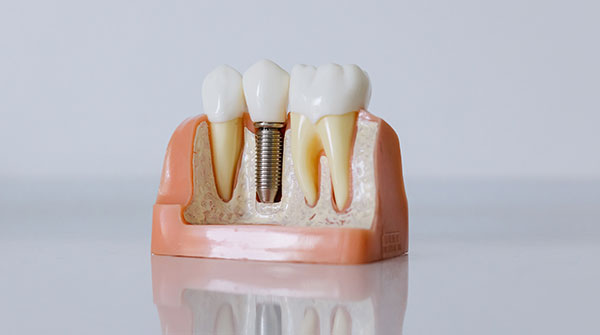
A small incision is made in the gum tissue to access the jawbone. A precise hole is drilled to accommodate the titanium implant post. The implant is carefully placed and the gum tissue is sutured closed.
Most patients report minimal discomfort during the procedure. You can return home the same day with detailed aftercare instructions.
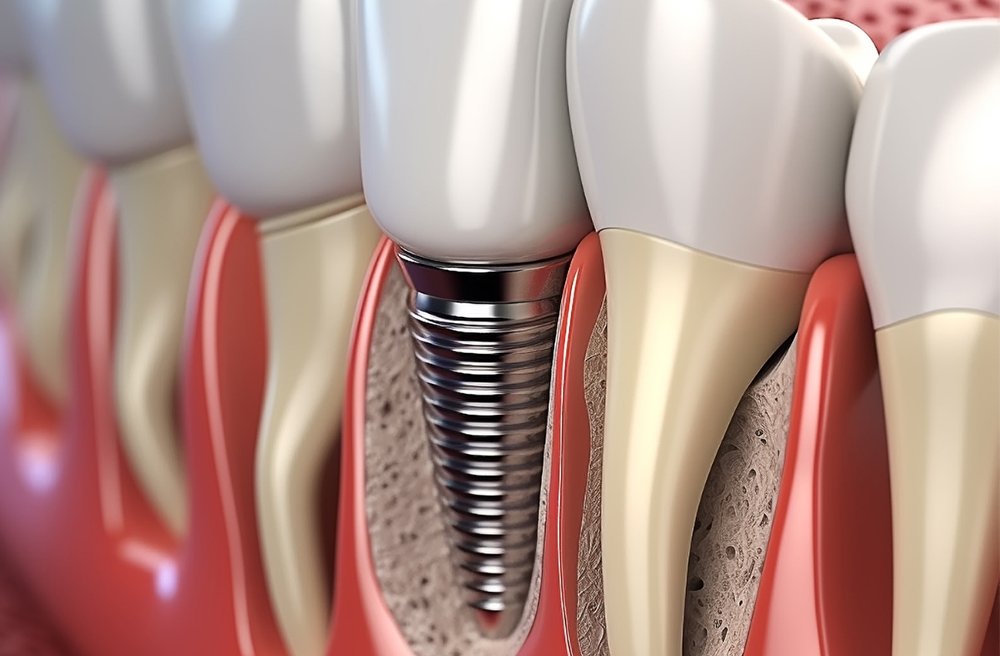
After implant placement, a healing period of 3–6 months is necessary. During this time, the implant fuses with your jawbone through a process called osseointegration. This biological bonding creates a strong, stable foundation for your replacement tooth.
Your dental implants dentist may provide a temporary tooth replacement during healing. This maintains your appearance and function while the implant integrates.
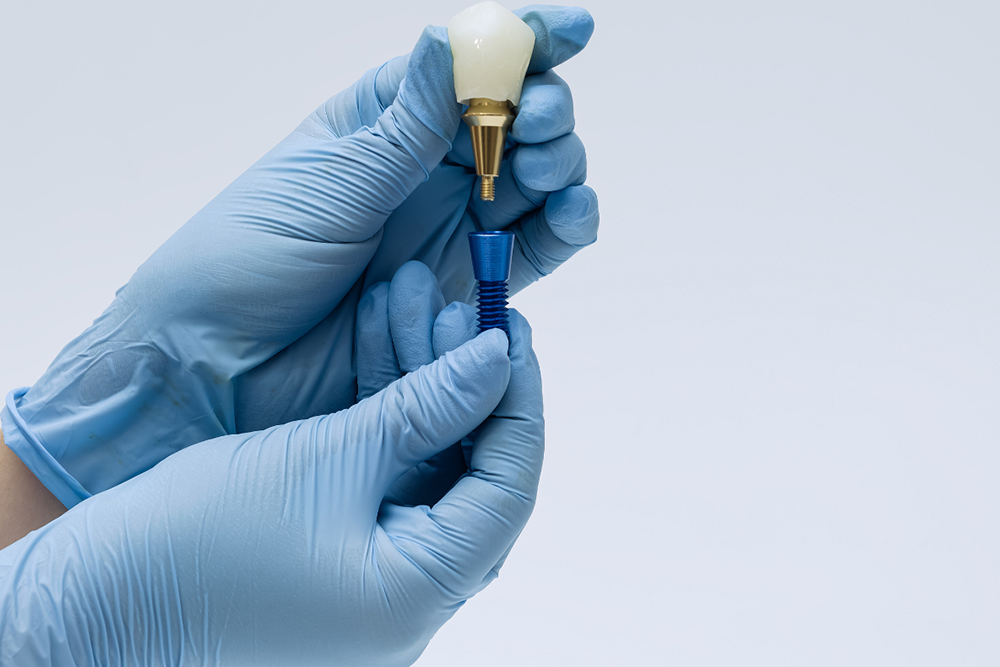
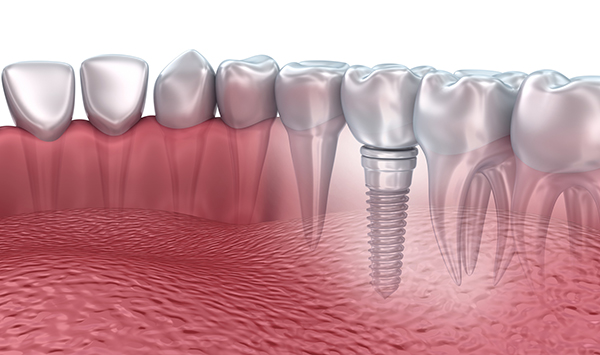
Once osseointegration is complete, a small connector piece called an abutment is attached to the implant. This minor procedure may require local anesthesia. The abutment protrudes through the gum tissue and serves as the anchor for your crown.
Some healing time (1–2 weeks) is needed after abutment placement. The gum tissue forms naturally around the abutment during this period.
The final step involves creating and placing your custom crown. Your dental implants dentist takes detailed impressions of your teeth. These impressions are sent to a dental laboratory where skilled technicians craft your crown.
The crown is designed to match your natural teeth in size, shape, and color. When ready, it's securely attached to the abutment. The result is a replacement tooth that's virtually indistinguishable from your natural teeth.
Understanding the healing timeline helps patients plan accordingly. While individual experiences vary, most patients follow a similar schedule.
Immediate post-surgery (Days 1–7):
Early healing (Weeks 2–4):
Osseointegration period (Months 3–6):
Final restoration (Month 6+):
At Napa Dental, located at 75 Napa Valley Avenue in Woodbridge, we monitor your healing closely. Regular checkups ensure everything progresses as expected.
The crown is the visible part of your implant restoration. Your dental implants dentist ensures it matches your natural teeth perfectly.
Crown material options:
Porcelain and zirconia crowns are most popular for front teeth due to their translucent, tooth-like appearance. Your dental implants dentist will recommend the best material based on the tooth's location and your specific needs.
The crown is either cemented or screwed onto the abutment. Screw-retained crowns allow for easier removal if future maintenance is needed. Cement-retained crowns provide excellent aesthetics with no visible screw access hole.
Single tooth implants require the same care as natural teeth. Proper maintenance ensures your implant lasts for decades.
Daily care routine:
Professional care:
Avoid using your implant to bite extremely hard objects. While implants are strong, excessive force can damage the crown or surrounding bone.
Single tooth implants have excellent success rates. Studies show success rates of 95–98% over 10 years when placed by an experienced dental implants dentist.
Factors affecting success:
At Napa Dental, we use advanced techniques and high-quality materials to maximize success rates. Our experience with single tooth implants ensures optimal outcomes for our patients.
Missing a single tooth doesn't mean you have to live with a gap in your smile. Contact Napa Dental today at 905-893-8939 to schedule your consultation. Your dental implants dentist will evaluate your situation and create a personalized treatment plan.
Our convenient Woodbridge location offers flexible scheduling, including evening and Saturday appointments. Let us help you restore your smile with a permanent, natural-looking solution that will last for years to come.



















© 2026 Napa Dental| All Rights Reserved - Website design by Vitamin D - Marketing & Design